
Guido Marchi, MD
Pulmonologist, Pisa University Hospital (Pisa, Italy)
Member, ATS Task Force on Artificial Intelligence
Member, ATS Documents Development and Implementation Committee (DDIC)
Three statements about you – two true, one false.
- My favourite cities in Italy are Venice, Florence, Rome, Lucca and Portovenere.
- I play the saxophone in a well-known jazz band that tours across Italy.
- I played professional basketball and once dunked during a playoff game.
Give us your ‘elevator pitch’ biography.
I was born in Lucca (Tuscany, Italy), completed my specialization in respiratory medicine at the University of Pisa, and currently work as a pulmonologist at Pisa University Hospital. I hold second-level master’s degrees in interventional pulmonology (University of Florence) and clinical research (University of Pisa), where I am also currently pursuing a PhD in clinical physiopathology.
My clinical and research interests include interventional pulmonology, pleural diseases, advanced thoracic imaging and ultrasound, asthma, COPD, lung cancer, interstitial lung diseases, and the responsible integration of AI into clinical practice.
I am a member of the ATS DDIC and the ATS Task Force on AI. I contributed to the launch of the first ATS AI Lab at the 2026 ATS International Conference in Orlando, which featured dedicated sessions on AI education, research, and clinical implementation. I also serve as early career member representative for the European Respiratory Society (ERS) Assembly on Clinical Techniques, Imaging and Endoscopy, the ERS Clinical Research Collaboration (CRC) Working Group, and the ERS Monograph Editorial Board.
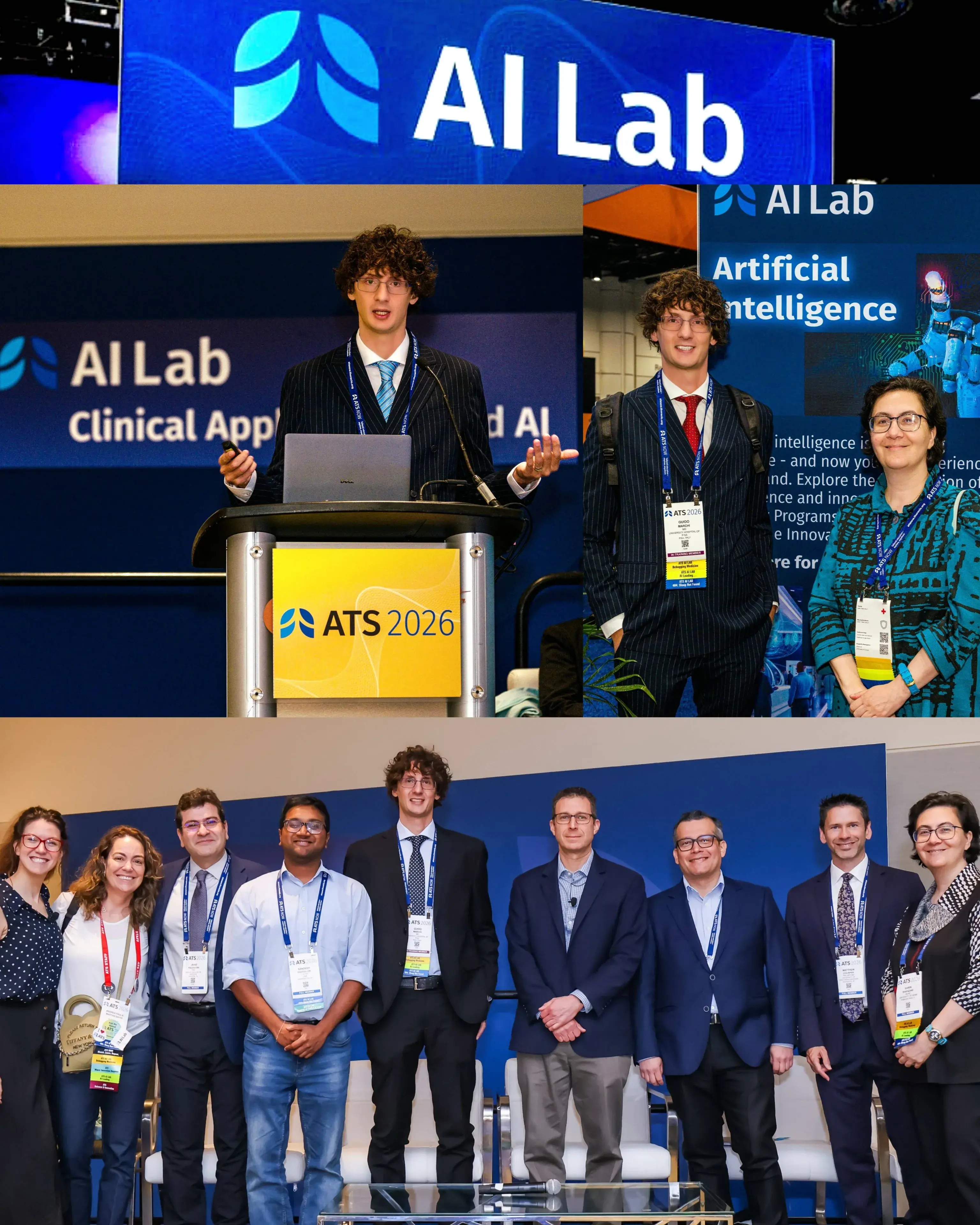
In Italy, I am national secretary of the Imaging Study Group of the Italian Respiratory Society (SIP/IRS) and communications coordinator of the Italian Society of Artificial Intelligence in Medicine (SIIAM).
My long-term goal is to advance evidence-based, trustworthy innovation in respiratory medicine by bridging emerging technologies and therapies with real-world clinical practice, ultimately improving patient care and outcomes.
What would you tell yourself as an Early Career Professional?
- Stay relentlessly curious: Never stop asking questions, exploring new ideas, and challenging your own assumptions.
- Embrace discomfort: That is the exact space where growth happens.
- Be intentional: Continuously seek both personal and professional growth in every aspect of your life.
- Protect your time: It is your most valuable and finite resource. Invest it only in people and projects that compound learning, impact, and long-term value.
- Learn to say "no": Do it early, clearly, and without hesitation.
Above all, keep learning from everyone around you and focus on doing your work well every day, even when progress feels slow or difficulties arise.
If you weren’t in medicine, and were in a different industry altogether, what would you be?
If I weren't in medicine, I would likely be a poetry writer, a butterfly photographer, or a marine biologist. All three paths are driven by sensitivity, inspiration, and emotion—by a desire to observe and understand life and nature, and to translate its complexity into something meaningful that others can connect with and feel.
What is your favorite way to spend a day off?
On a day off, I love spending time at the seaside with my wife and family. Sunrise and sunset are my favourite slow moments. In between, the day is filled with swimming in the sea, snorkeling among marine life, reading or writing by the water, enjoying good food, and spending quality time with the people I love - a full day centered on nature and being present.

What areas of medicine are you most excited to see develop?
The development of integrated, data-driven respiratory medicine excites me most, particularly the convergence of AI, quantitative imaging, and multimodal clinical and biological data to support earlier diagnosis, better risk stratification, and more personalized treatment decisions.
I am especially curious about how these tools will transition from research settings into routine clinical workflows in a way that is reliable, explainable, and genuinely useful at the bedside—not just technically sophisticated, but meaningfully integrated into how clinicians think and decide.
What is one advancement in your field you’d like to see in your career?
The advancement I most hope to witness is a true paradigm shift in respiratory medicine —from reactive diagnosis to proactive, longitudinal surveillance. I envision intelligent tools integrating environmental exposures, biological signals, imaging, and clinical data across a patient’s lifetime, detecting the earliest signs of disease long before symptoms appear.
In a field where late diagnosis is still unfortunately very common, this would enable intervention at a stage when disease remains preventable or reversible. That would not simply improve outcomes—it would fundamentally redefine how we understand, diagnose, and care for respiratory disease.
Which statement (in the first question) was false?
The second statement is false. I have never played in a jazz band, and to be honest I do not play any musical instrument at all, although I have a strong appreciation for music.
I played basketball at a competitive level for many years and once dunked during a victorious playoff game. Basketball was a major part of my early athletic life and contributed significantly to my personal growth, resilience, and sense of discipline.
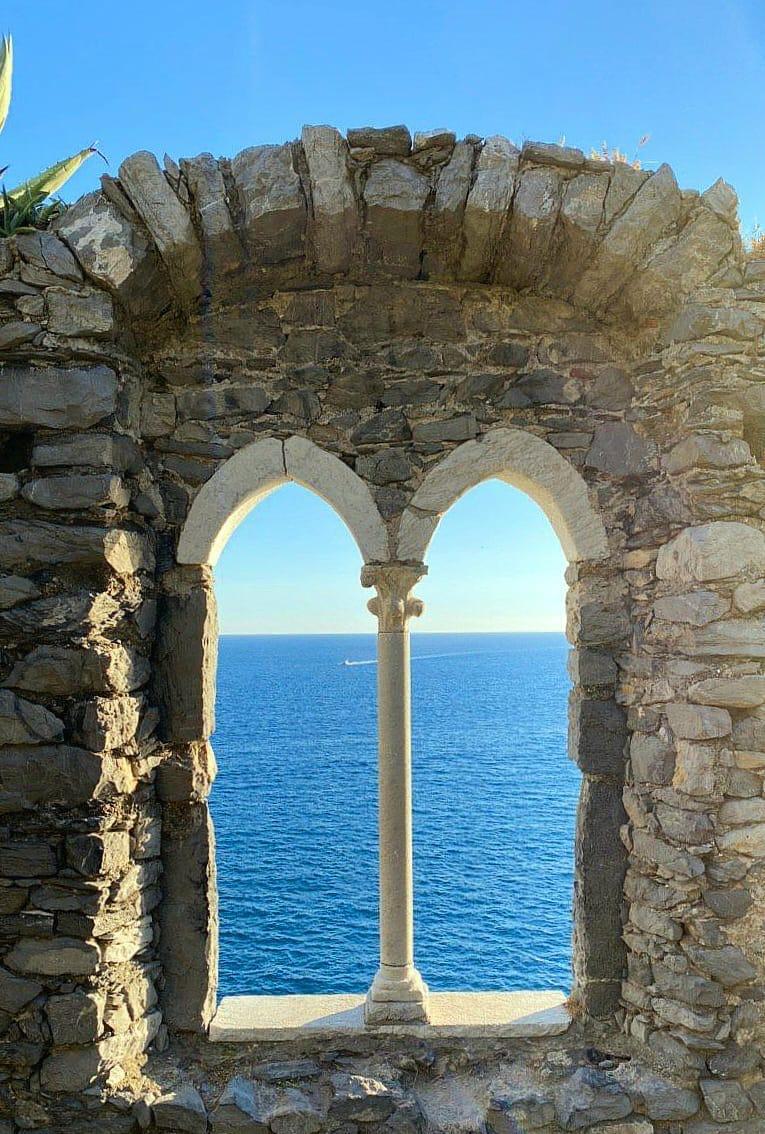
My favourite cities in Italy are Venice, Florence, Rome, Lucca, and Portovenere, each associated with meaningful experiences, strong personal connections, and many memorable moments, with a constant desire to return whenever possible.
Dr. Marchi serves on the ATS Documents Development and Implementation Committee and the ATS Task Force on Artificial Intelligence.