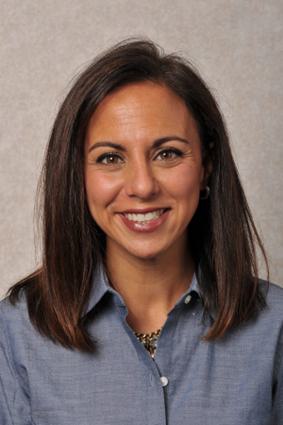
Dr. Aneesa Das
Dr. Aneesa Das is a professor in the Division of Pulmonary, Critical Care, and Sleep Medicine at The Ohio State University. She serves as the Director of the Home Sleep Apnea Testing Program and as Vice Chair for Faculty Success in the Department of Medicine.
Dr. Das has chaired numerous national Board Review Courses in Sleep Medicine and served as Editor-in-Chief of the most recent CHEST SEEK Sleep Medicine. She was the Program Chair for CHEST 2023 in Honolulu, Hawaii, and currently serves on the Board of Regents for CHEST.
We asked her the questions that matter most — here's what she had to say.
What would you consider the most pivotal turning point in your career, and how did it shape the direction and impact of your professional journey?
The first time I served as faculty at a national conference was intimidating to say the least. However, after taking a deep breath, I introduced myself to leaders in our field. These new contacts became friends and sponsors. Each new introduction brought new opportunities teaching me that a culture of identifying talent and sponsorship of others is critical to growth. I have strived to create this culture both locally at OSU as well as nationally within our field.
Looking ahead, what do you see as the most transformative opportunity or pressing challenge in your field over the next decade?
Over the next decade, advances in digital health could transform sleep from a discreet diagnostic test into a continuous health signal. Wearable devices are collecting sleep data from millions of people nightly. AI analysis of large sleep datasets and machine learning models can extract patterns from heart rate variability, respiration, movement, and sleep architecture which may help detect early signs of disease. Sleep could potentially become a digital biomarker used for preventive medicine.
For trainees and early-career physicians, what advice would you offer on finding meaningful mentorship and building a purposeful, impactful career?
Finding the right mentor is critical. I recommend meeting up informally a couple times before formalizing the relationship to ensure it is a good fit and your styles are aligned. Once established, mentees should set the cadence and send agendas prior to the meeting. Coming prepared with progress reports, future goals and needed resources will allow the mentor to provide the best possible support. While a sponsor is not always a mentor, a good mentor will often seek out opportunities to sponsor their mentee.