Recognition Award for Scientific Accomplishments recognizes outstanding scientific research contributions in basic or clinical arenas to enhance the understanding, prevention and treatment of respiratory disease, critical illness, or sleep disorders and recognizes exemplary professionalism, collegiality and citizenship through mentorship and scientific involvement in the ATS community. Candidates may be considered for contributions made throughout their careers or for major contributions made at a particular point in their careers. Awardees will make a 25-minute presentation on their research. Up to four awards may be given each year. The potential of the nominee to deliver an outstanding presentation should also be considered. Potential candidates who are previous recipients of the Amberson Lecture or the Trudeau Medal are ineligible for the Recognition Award for Scientific Accomplishments.
Prescott Woodruff, MD, MPH

Prescott G. Woodruff, MD, MPH is Professor of Medicine and Chief of the Division of Pulmonary, Critical Care, Allergy and Sleep Medicine at the University of California, San Francisco. He is a physician-scientist whose research focuses on the molecular and clinical heterogeneity of obstructive lung diseases, particularly asthma and chronic obstructive pulmonary disease (COPD), with the goal of advancing precision medicine approaches to respiratory disease. Dr. Woodruff received his M.D. from Columbia Vagelos College of Physicians and Surgeons. He completed internship and residency training in Internal Medicine at Massachusetts General Hospital, followed by research fellowship training at the Brigham and Women’s Hospital (Channing Lab) and an M.P.H from the Harvard School of Public Health. He completed fellowship training in Pulmonary and Critical Care Medicine at the University of California, San Francisco and has been on faculty there since. Dr. Woodruff has helped advance the understanding of asthma and COPD through the application of genomics, molecular phenotyping, and translational studies of human airway biology. His work contributed to the identification of the type-2–high (T2-high) endotype of asthma and its relationship to corticosteroid responsiveness, helping inform the development of biologically targeted therapies. His laboratory studies airway epithelial cell dysfunction and mechanisms of pathological mucus production in asthma. He has also played a role in studies of early smoking-related lung disease, including work describing symptomatic smokers with preserved spirometry and leading the NIH-funded RETHINC clinical trial. Dr. Woodruff leads large collaborative studies of obstructive lung disease, including serving as Principal Investigator of the NHLBI-funded SPIROMICS program, a multi-center effort to define the biological underpinnings and progression of COPD. His current research focuses on defining molecular sub phenotypes of obstructive lung disease, understanding mechanisms of airway inflammation and remodeling, and developing biomarkers to guide clinical trials and precision therapeutics.
Reena Mehra, MD

Reena Mehra, MD is an internationally recognized physician-scientist whose research has been instrumental in establishing obstructive sleep apnea as a major contributor to cardiopulmonary disease, particularly cardiac arrhythmias. She is Professor of Medicine and Division Head of Pulmonary, Critical Care, and Sleep Medicine at the University of Washington, where she holds the A. Bruce Montgomery, MD, American Lung Association Endowed Chair. A trained epidemiologist, her research integrates large-scale NIH-funded population studies, clinical trials, and translational investigations to elucidate the mechanisms through which sleep disorders influence cardiovascular health and to advance novel therapeutic approaches.
Over the last two and half decades, Dr. Mehra’s scholarship has advanced the field from population-level discovery to mechanistic insights and therapeutic innovation. Her work spans epidemiology, pathophysiology, and clinical investigation, translating discoveries in sleep and circadian biology into improved understanding and management of cardiopulmonary disease. She has authored more than 240 peer-reviewed publications with over 61,000 citations, including influential studies published in the New England Journal of Medicine and journals, and has delivered more than 350 invited lectures worldwide. She has also mentored more than 45 trainees, many of whom have progressed to independent research careers.
Dr. Mehra served as Chair of the inaugural American Heart Association Scientific Statement on Sleep Apnea and Cardiac Arrhythmias and has chaired and co-chaired NIH workshops shaping national research priorities in sleep and cardiopulmonary disease. She previously chaired the American Thoracic Society Sleep and Respiratory Neurobiology Assembly and serves as Associate Editor of the American Journal of Respiratory and Critical Care Medicine, a flagship journal of the American Thoracic Society. Her scientific contributions have been recognized by election to the American Society for Clinical Investigation and by the 2025 American Academy of Sleep Medicine Excellence in Research Award, reflecting her sustained impact on advancing the science and clinical understanding of sleep-related cardiopulmonary disease.
Gloria Pryhuber, MD
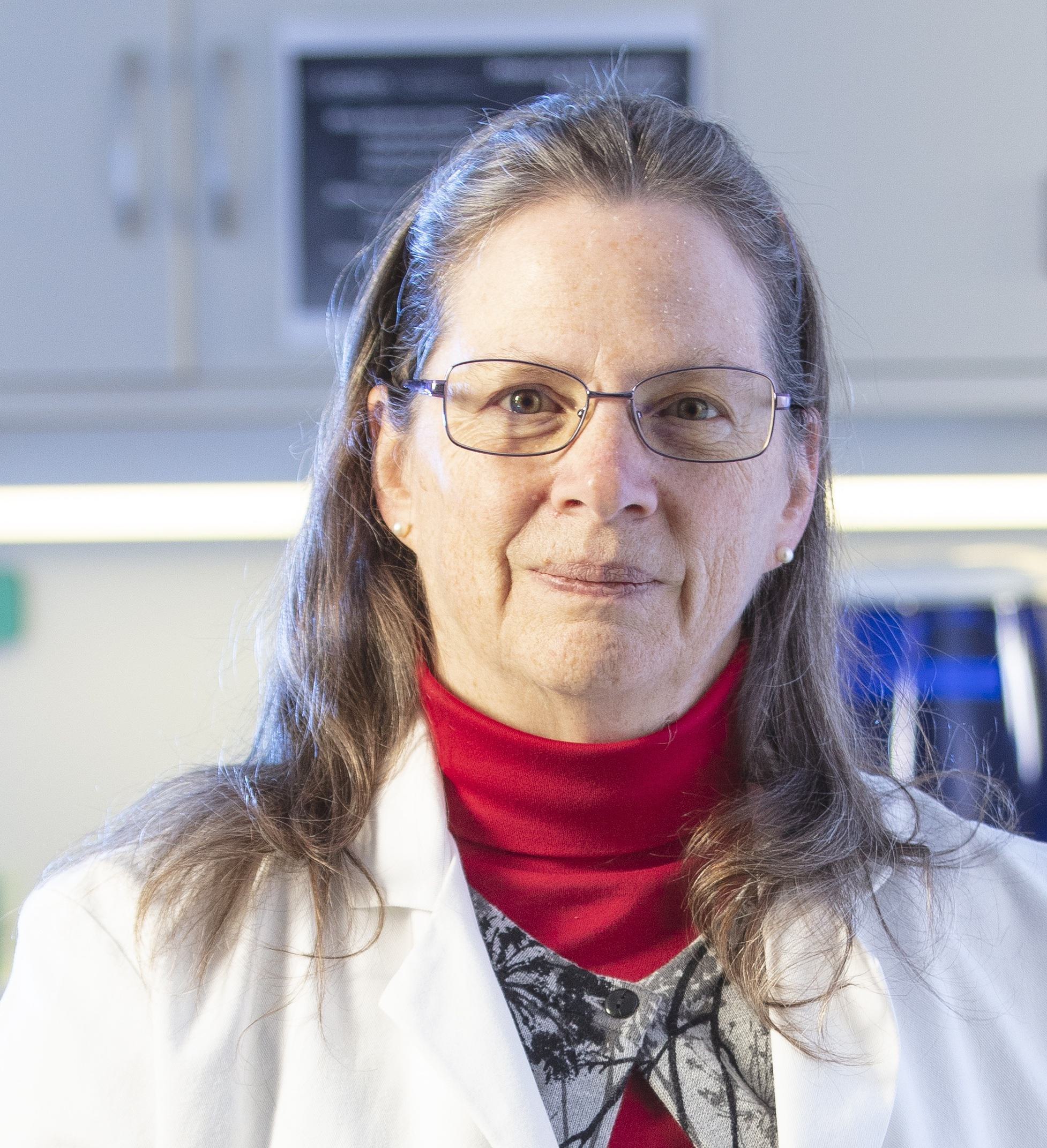
Gloria Pryhuber, MD received her undergraduate degree at Cornell University and completed her medical degree and Residency in Pediatrics at Upstate Medical Center in Syracuse New York. She completed a Neonatal-Perinatal Medicine Fellowship and a post-doctoral William Cooper Proctor Pediatric Research Scholarship in the Pulmonary Biology laboratory of Dr. Jeffery Whitsett at Cincinnati Children’s Hospital Medical Center in Cincinnati, Ohio. Over more than 30 years, as a practicing Neonatologist and Basic Science Investigator at the Golisano Children’s Hospital at the University of Rochester Medical Center in Rochester, NY, she has worked to foster active collaborations around the world of young investigators and clinicians with expertise in neonatology, pulmonology, infectious disease, obstetrics/perinatology, immunology, pathology, molecular biology and genomics.
Dr. Pryhuber’s laboratory is applying advances in molecular biology to study health and disease in the human lung across the ages with the broad goal to enhance and enable collaborative research to reduce respiratory mortality and morbidity in children and adults. She has served as PI for the multicenter NIH Prematurity and Respiratory Outcomes Program (PROP), as Lead Investigator for the NIAID UR-Respiratory Pathogens Research Center (RPRC) “Prematurity Respiratory Outcomes, Immune System and Microbiomes (PRISM)” Study, and as PI for the NHLBI Lung Development Molecular Atlas Program Human Tissue Core (LungMAP-HTC) creating the BioRepository for INvestigation of Diseases of the Lung Extended (BRINDLE) and as PI for the NIH Human Biomolecular Atlas Program (HuBMAP - Lung). Dr. Pryhuber is proud to be a member of the American Pediatric Society, the American Thoracic Society, the American Physiological Society and the Sigma Xi Scientific Research Honor Society and remains a Professor with Tenure in the Department of Pediatrics, Division of Neonatology and the Environmental Health Sciences Center in Rochester.
Nizar Jarjour, MD

Nizar Jarjour, MD graduated from Damascus University School of Medicine in 1980, completed his residency training at Cook County Hospital, Chicago; and Pulmonary/Critical Care Fellowship at the University of Wisconsin (UW)-Madison. He joined the faculty at UW in 1990 and rose through the ranks until 2004 when he was promoted to Professor and appointed as the Allergy, Pulmonary and Critical Care Division Head where he is currently the Ovid Meyer Endowed Professor of Medicine.
For more than 20 years, Dr. Jarjour led the Allergy/Pulmonary division at University of Wisconsin, propelling it to become a vibrant hub of research, clinical excellence and strong mentoring. He has served on several NIH Study Sections and the American Board of Internal Medicine - Pulmonary Specialty Board and as a member of the FDA Allergy and Pulmonary Drug Advisory Committee. He has been invited to present at many professional society conferences and universities in North America, Europe, Africa and Asia.
He has been active in several international professional societies including the ERS, AAAAI and especially the ATS where he attended the annual ATS conference every year since 1988! Dr. Jarjour has led an internationally recognized asthma research program and has served as a Principal Investigator for several NIH funded collaborative grants, including the severe asthma research program (SARP), and the precision therapies in severe and exacerbation prone asthma (PrecISE) which examined 5 novel therapies for severe asthma. He has contributed to more than 250 scientific publications with nearly 2000 scientific citations per year, leading to an H factor of 80+. He has conducted research studies on the mechanism of airway inflammation including the role of allergies, viral infections and circadian rhythm.
His team at Wisconsin is currently leading studies on the systemic effects of asthma and has received NIH funding to study the effects of airway inflammation in asthma on the risk of dementia.